







Search Results for: Osmanthus Dirty

Six Creative Ways to Combine Osmanthus and Coffee: A Complete Hands-On Guide from Espresso and Latte to Dirty and Pour-Over
Incorporating osmanthus into coffee is both a collision of flavors and a continuation of the sense of season. On the third day after reopening, Front Street Coffee was reminded of osmanthus coffee by a box of osmanthus cake, so they went ahead and paired dried osmanthus with espresso, latte, iced americano, Dirty, and pour-over one by one, tested the effects of different placement methods on extraction, and recorded the specific parameters and tasting impressions of each drink. This article covers a comparison of placing osmanthus espresso pucks on top versus at the bottom, syrup-assisted solutions for osmanthus latte and piccolo, the refreshing experience of using leftover espresso to make iced americano, cup-rim decoration techniques for osmanthus Dirty, and complete extraction suggestions for Guatemala Geisha pour-over paired with osmanthus, making it suitable as a reference for enthusiasts who want to recreate osmanthus coffee at home. [more…]
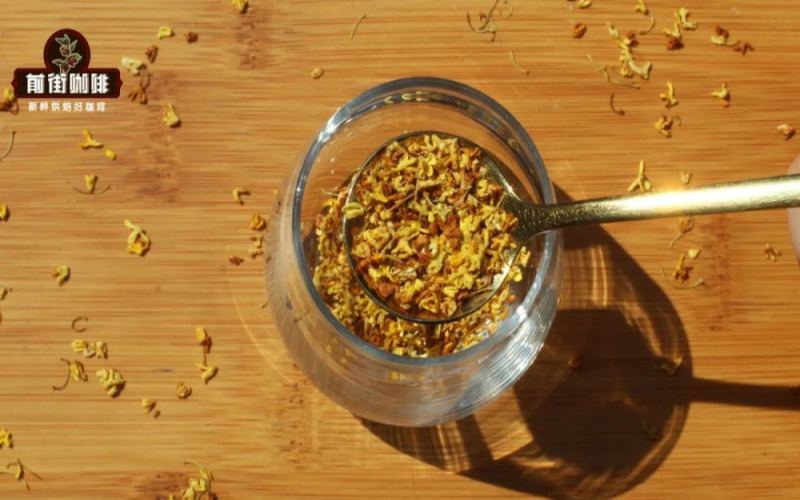
Osmanthus in Coffee: A Complete Guide to Autumn Techniques for Espresso, Latte, Flat White, Dirty, and Pour-Over
Autumn has arrived, and a cup of coffee with the fragrance of osmanthus is the perfect way to match the season. This article revolves around the combination of osmanthus and coffee. It first explains why osmanthus is suitable for coffee and the key points of processing before use, then focuses on the extraction techniques for osmanthus espresso—including why soaking is not recommended, how to avoid channeling, and the conclusions of comparative experiments placing osmanthus above and below the coffee puck. It then provides specific recipes and steps for osmanthus latte, osmanthus flat white/cappuccino, and osmanthus Dirty in turn, along with bean selection, brewing parameters, and flavor description for a cup of osmanthus pour-over. The article retains Front Street Coffee's recommendations and product information, making it suitable for coffee enthusiasts to follow step by step. [more…]
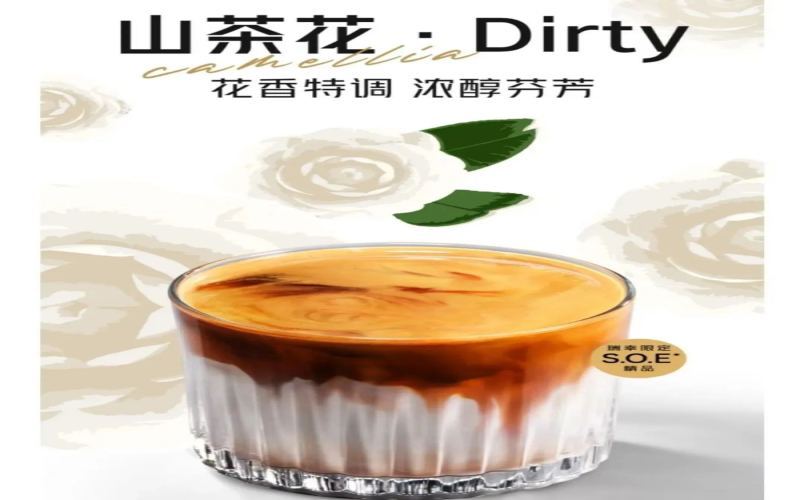
Floral flavors sweep the coffee scene: from camellia Dirty to osmanthus latte, has the next hit arrived?
The turnover of hit products in the coffee industry never stops. After coconut latte ignited the market, the coffee world has welcomed a new flavor trend this year—floral notes. Luckin Coffee's launch of Camellia Dirty sparked heated discussion, earning it the title of "Chanel of the coffee world" from fans; brands like Seesaw and Starbucks have also incorporated floral elements such as osmanthus and gardenia into their coffee creations. Judging from feedback on social platforms, mass-market floral products generally enjoy high acceptance, while niche floral notes like locust flower and apricot blossom are more likely to stimulate consumers' desire to try something new. Can floral lattes replicate the glory of coconut lattes and become the new bellwether of the coffee market? [more…]
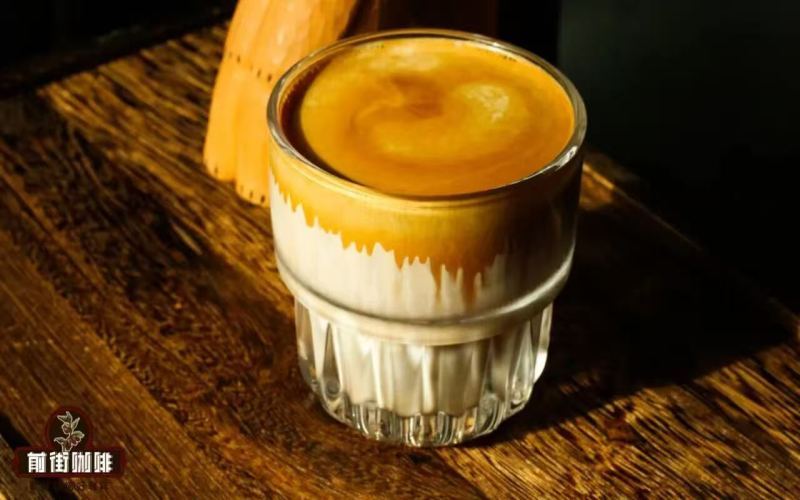
How can milk coffee be made to taste different? A breakout approach with fruit-forward espresso beans
There are more and more coffee shops, and you may find several of them side by side on the same street. When the machines, milk, and prices are all about the same, why should customers remember your shop? The answer often isn't in the equipment, but in the beans. Today let's talk about an approach that's great for standing out: using fruity espresso beans to make a cup that no one else can. [more…]
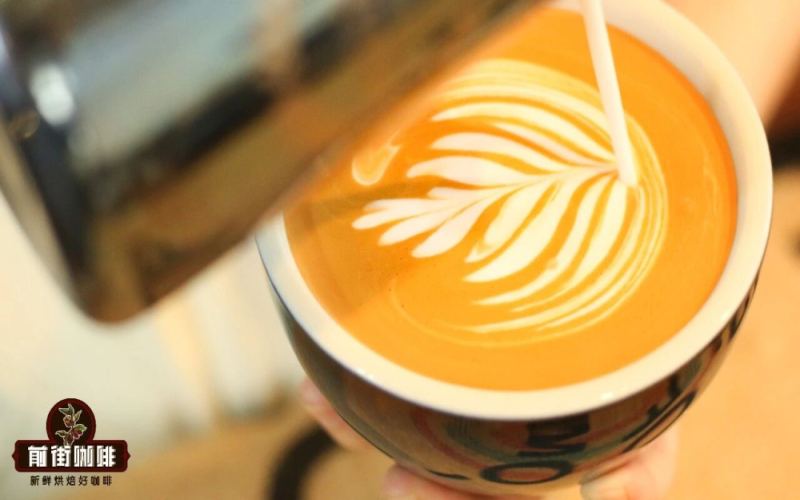
Making Osmanthus Coffee at Home in Autumn: A Detailed Guide to Three Recipes—Americano, Latte, and Caramel Crème Brûlée Latte
The autumn breeze brings refreshment, and the fragrance of osmanthus fills the air—it's once again the season best suited for incorporating osmanthus into coffee. This year, Front Street Coffee has brought a richer lineup of osmanthus coffee recipes than in previous years, including the easy-to-make osmanthus Americano and osmanthus latte, as well as the more elaborate yet stunningly layered osmanthus version of the caramel crème brûlée latte. This article will explain one by one the required ingredients, the approach to selecting coffee beans, and the detailed preparation parameters and precautions for the three beverages. It will also address common questions such as whether osmanthus can be placed directly into the coffee machine for extraction and how to prevent osmanthus from turning bitter. Whether you prefer a refreshing, sugar-free Americano or are devoted to a rich, creamy latte, you'll be able to find the cup that suits you to recreate at home. [more…]
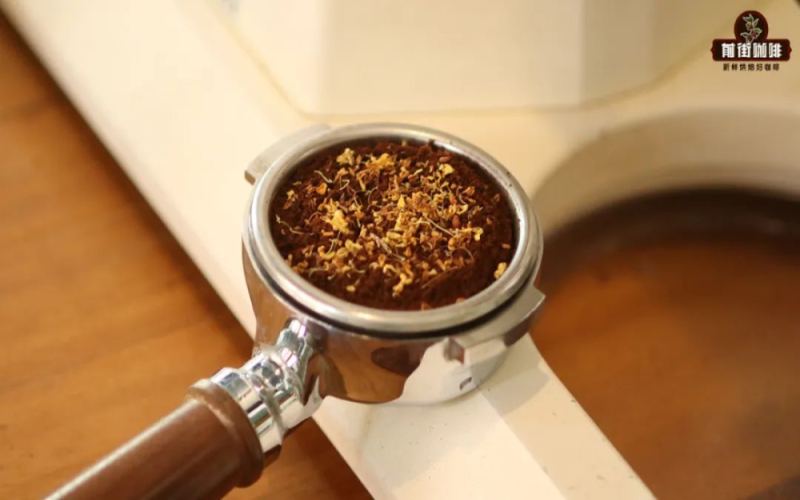
Combining dried osmanthus with espresso: testing three extraction methods to see which osmanthus latte tastes better.
Osmanthus has a rich, intense aroma. When added to coffee grounds and extracted together, can this floral fragrance be infused into espresso? Front Street conducted three sets of comparative experiments, placing dried osmanthus on the surface of the puck, at the bottom, and mixed with the coffee grounds, to observe extraction stability and flavor performance. The experiments found that the density of osmanthus differs greatly from that of coffee grounds, and both the amount used and its position affect the extraction results. For 20g of coffee grounds, it is recommended to add 0.3-0.5g of dried osmanthus; too much will instead破坏 the structure of the puck. The three methods each have their own characteristics: the surface method offers stable extraction, the bottom method gives a pronounced osmanthus aroma, and the mixing method easily produces channeling. Which method is ultimately best for making an osmanthus latte? Let's look at the experimental results together. [more…]
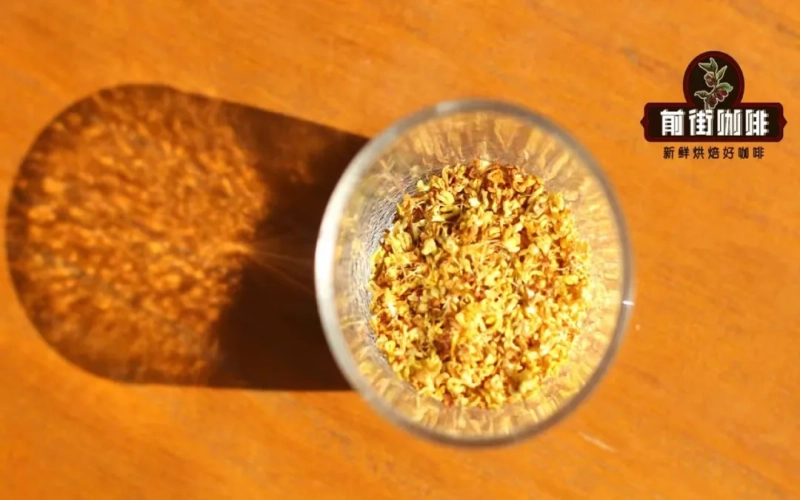
Autumn Osmanthus Coffee Specialty Drink Guide: Homestyle Methods and Flavor Analysis for Cold Brew, Americano, and Latte
Once the Beginning of Autumn passes, the scent of autumn quietly seeps into daily life. Just as summer belongs to coconut coffee, autumn has its own signature flavor—osmanthus. This time, Front Street Coffee is bringing out all its treasured osmanthus coffee recipes, including three special creations: osmanthus cold brew, osmanthus americano, and osmanthus latte. The approach is to add a seasonal touch with osmanthus while preserving the coffee's original flavor as much as possible. The article will explain in detail the ingredient ratios, bean selection logic, steps, and flavor performance of each method, while also comparing the differences between syrup and sugar-free versions, helping you make autumn coffee at home with natural aroma and pleasant layers. [more…]
Distinguishing Guihuaxiang Dancong from Guihua-Scented Tea: Cultivar Characteristics, Processing, and Tasting Points of Qunti Dancong
Osmanthus-scented teas on the market generally fall into two categories: one is scented tea made by scenting with fresh osmanthus, and the other is群体单枞 (Qunti Dancong) that naturally carries the fragrance of osmanthus. The two have similar names but are fundamentally different. This article begins with Front Street Coffee's selected osmanthus-scented tea, outlining its raw material base, charcoal roasting process, and tasting performance, then extends to the varietal characteristics, historical origins, and pricing logic of Qunti Dancong. Through this, readers can distinguish the difference between "smelling floral fragrance" and "fragrance inherent to the variety," and understand the respective charms of traditional scenting and natural aroma types. [more…]
Is the osmanthus aroma in Phoenix Dancong a natural floral scent or added osmanthus? A full guide to authentic prices and brewing
Phoenix Dancong Osmanthus Fragrance has always been a hot topic among tea lovers, captivating them with its rich layers of fruity aroma and honeyed charm. Yet many people wonder: is this osmanthus fragrance naturally formed by the tea leaves, or is it added osmanthus? This article will take you deep into the true character of this classic Phoenix Dancong, sorting out everything clearly for you—from its flavor characteristics, origin altitude, picking and processing techniques, to the specific parameters for everyday brewing and gongfu tea brewing. It will also address the market price question everyone cares about for authentic Osmanthus Fragrance Dancong, and include purchasing advice for the Front Street Coffee brand, so you can buy with clarity, brew with care, and drink with full enjoyment. [more…]
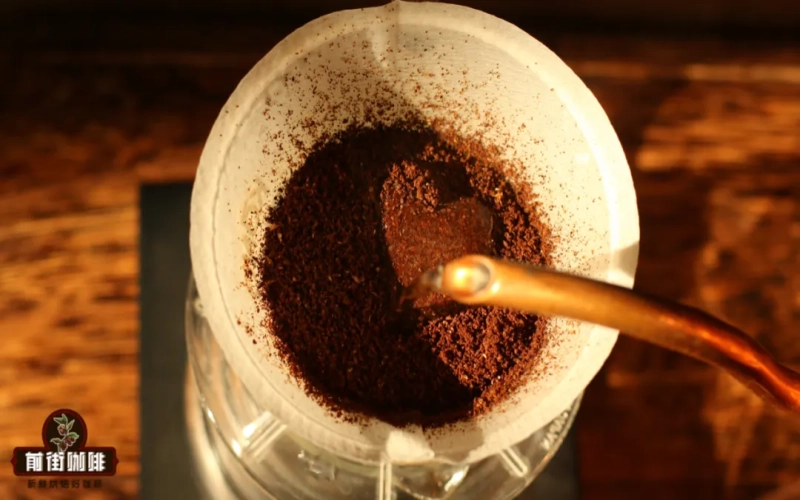
What changes do adding mint, honey, osmanthus, and salt to pour-over coffee each bring? A practical guide to flavoring ingredients for single-origin coffee
After getting used to that daily cup of pour-over, people inevitably start to wonder: can you add something to coffee and, without ruining its original flavors, get a completely new drinking experience? In fact, pour-over coffee doesn't have so many hard-and-fast rules—adjusting it to your own taste preferences is perfectly fine. There are all kinds of ways to add ingredients to pour-over online, and today we'll talk about the four most popular ones—mint, honey, osmanthus, and salt. What kind of coffee beans does each pair best with? How much should you add? And how do different roast levels produce completely different results? Drawing on specific brewing examples, Front Street Coffee will explain once and for all how to use these four ingredients, offering some new ideas for friends who are tired of conventional pour-over. [more…]

Front Street Coffee Complete Knowledge Collection: A Coffee Learning Guide and Practical Manual from Beginner to Advanced
The Front Street official account has insisted on daily updates for many years, accumulating a massive amount of educational content covering every area of coffee. From the origins of coffee beans to the birth of a finished cup of coffee, from basic terminology to advanced brewing techniques, the articles have touched on virtually every question a coffee lover might encounter. This article reorganizes that content along a learning path, dividing it into sections such as must-reads for beginners, tasting methods, brewing techniques, advanced improvement, and Front Street's random musings on industry topics, making it easy for readers to quickly locate the knowledge they need based on their own stage, and also convenient for systematically filling in gaps. Whether you are a novice just getting into coffee or an advanced player hoping to hone your skills, you can find corresponding content here. [more…]
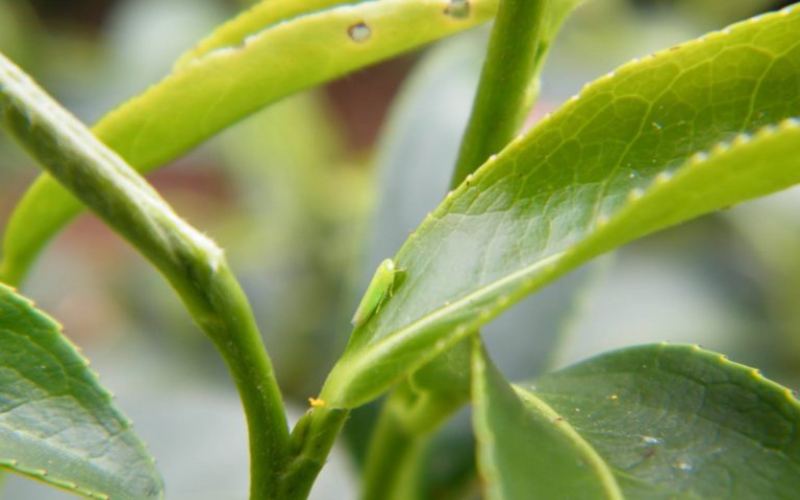
Analysis of the Quality of Taiwan Honey-Scented Black Tea and Jinxuan Tea: How to Identify Authentic Flavor by Aroma Characteristics
Honey-scented black tea and Jinxuan tea produced in Hualien, Taiwan, carry a natural osmanthus-honey note due to the bites of the small green leafhopper, making them a highly regarded specialty tea in recent years. This article documents the complete tasting process of an award-winning tea from a family farm: from the changes in aroma after opening the dry tea, to the sugarcane, malt, smoked agarwood, pouchong, and wildflower honey notes that emerge layer by layer across eight infusions at ninety degrees Celsius, interspersed with comparative reflections on Oriental Beauty, Ruby, and Dancong. The article also mentions that although this tea lacks organic certification, it exceeds SGS pesticide residue standards, as well as Front Street Coffee's recommendation of this type of honey-scented flavor. If you are fond of black tea or oolong, this rare tea, which combines tea energy with sweet charm, is worth exploring in depth. [more…]
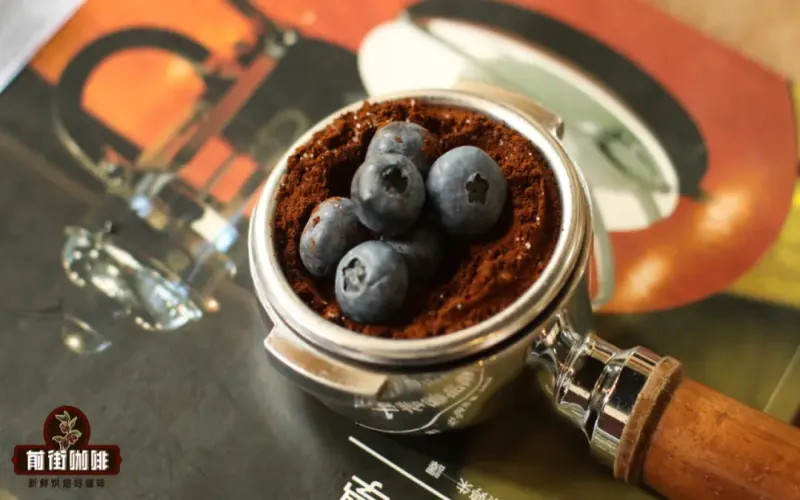
Is It Feasible to Mix Granulated Sugar or Osmanthus into Espresso Extraction? Front Street's Hands-On Test Reveals the Impact of Channeling
Some coffee enthusiasts like to try mixing ingredients such as osmanthus, granulated sugar, or butter into the coffee puck before extracting espresso, hoping to achieve a more naturally integrated flavor. But is this approach really feasible? Front Street conducted a comparative experiment, mixing granulated sugar into the coffee grounds and adding it directly into the cup, to observe the differences in flavor and extraction parameters of the espresso produced by the two methods. The results showed that sugar mixed into the puck caused the extraction time to shorten significantly, with a sharp and separated taste, while the method of adding it directly into the cup produced a surprisingly well-integrated effect. This article will analyze the experimental process and the reasons behind it in detail, helping readers understand why mixed extraction often backfires. [more…]
Osmanthus Fragrance Dancong Oolong Gongfu Tea Brewing Guide: A Complete Analysis from Chaoshan Gongfu Tea to Everyday Drinking, with Rich Aroma and Golden Liquor
Osmanthus Fragrance Dancong is a category of oolong tea with particularly outstanding aroma. The finished tea has a golden and bright liquor color, with a rich floral fragrance and good durability for multiple infusions. To truly bring out its flavor, the brewing method of Chaoshan Gongfu Tea is worth understanding in depth. This article begins with the difference between Gongfu Tea and the Way of Tea, then sorts out the core utensils and key operating points of Chaoshan Gongfu Tea, including the pairing of a small clay stove, a Yixing pot or thin porcelain gaiwan, a tea boat, and small thin porcelain cups, as well as key details such as rapid pouring and brewing with living water. At the same time, drawing on Front Street Coffee's brewing experience, it helps readers understand how to use 6 to 8 grams of tea leaves and a small vessel of no more than 90 milliliters to complete a flash brew within 3 to 5 seconds, thereby obtaining a tea liquor with high aroma and a full-bodied mouthfeel. Whether you are a beginner who has just come into contact with Gongfu Tea or an enthusiast hoping to refine your technique, you can find practical ideas for reference here. [more…]
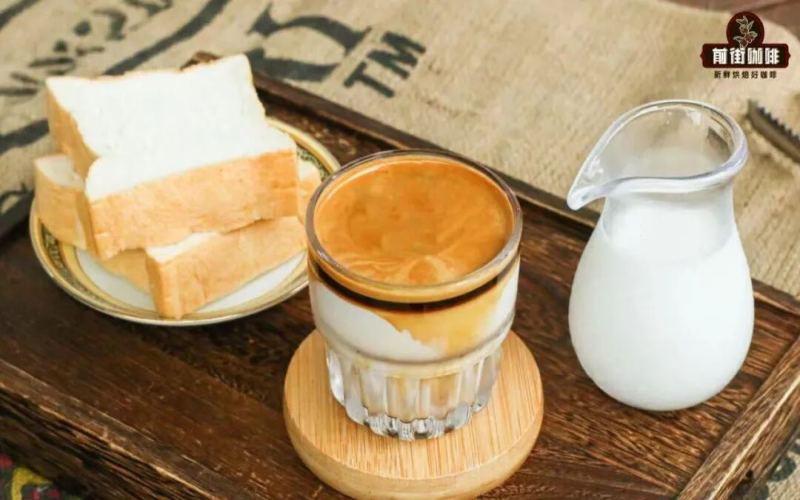
Espresso Coffee | What is the difference between Dirty Coffee and Iced Latte? What are the flavor and mouthfeel characteristics of Dirty?
Simply pour chilled milk into a cup, then gently drizzle warm espresso over the surface, and a highly popular milk coffee—Dirty—is ready. Although Dirty appeared much later than traditional Italian coffee, its popularity surpasses that of most Italian [more…]
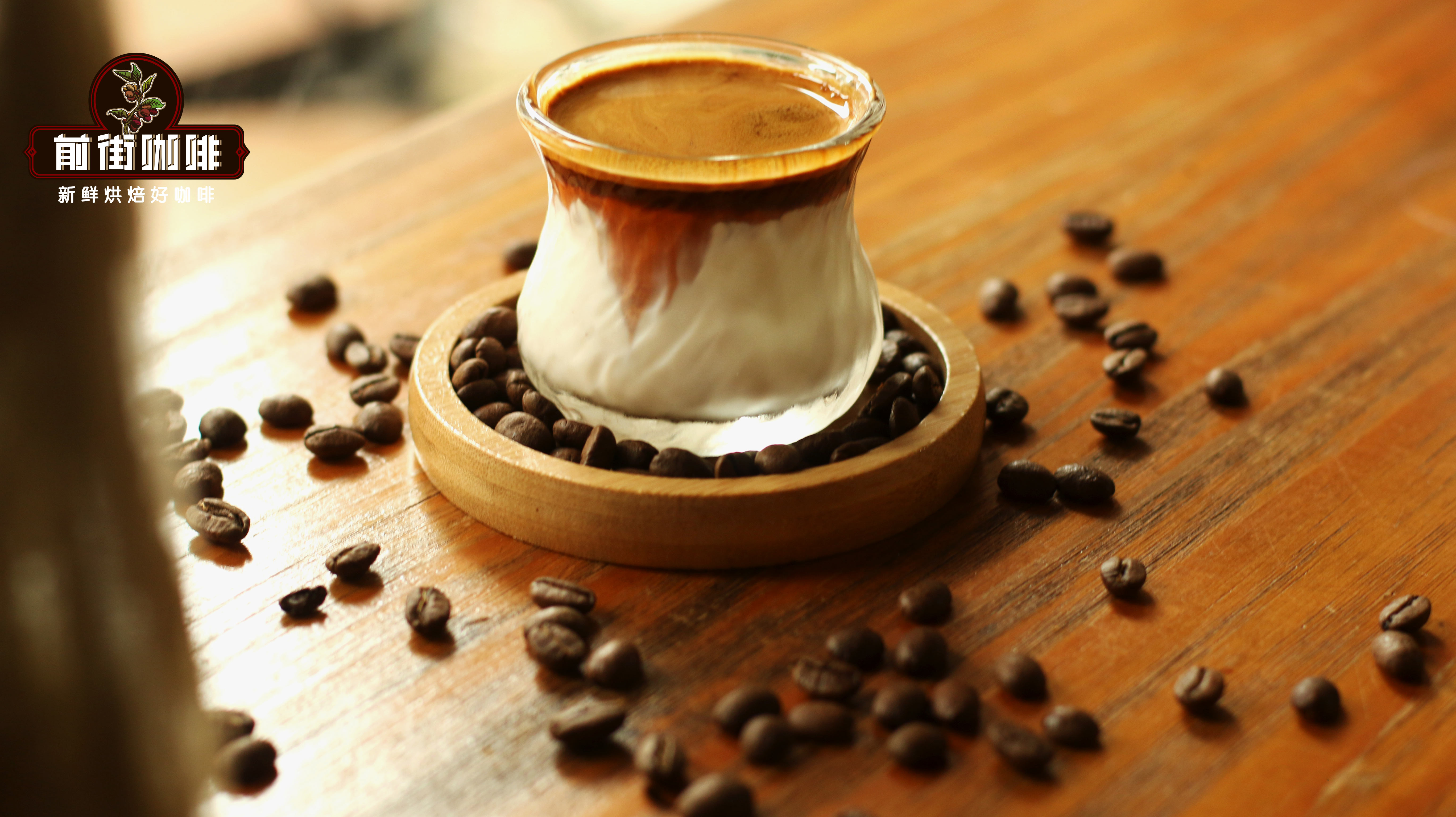
Dirty Coffee Recipe Ratio | How Can Coffee Beginners Make a Dirty Coffee? What's the Milk-to-Coffee Ratio for a Dirty Coffee? Which Coffee Beans Are Suitable for Making a Dirty Coffee?
Introduction: Dirty coffee burst onto the scene a few years ago, converting many latte loyalists into Dirty devotees. Unlike iced latte, Dirty coffee offers a visual and taste-bud double delight as you watch the espresso and milk create a gradient effect, and with one sip you go from rich coffee to sweet milk. [more…]
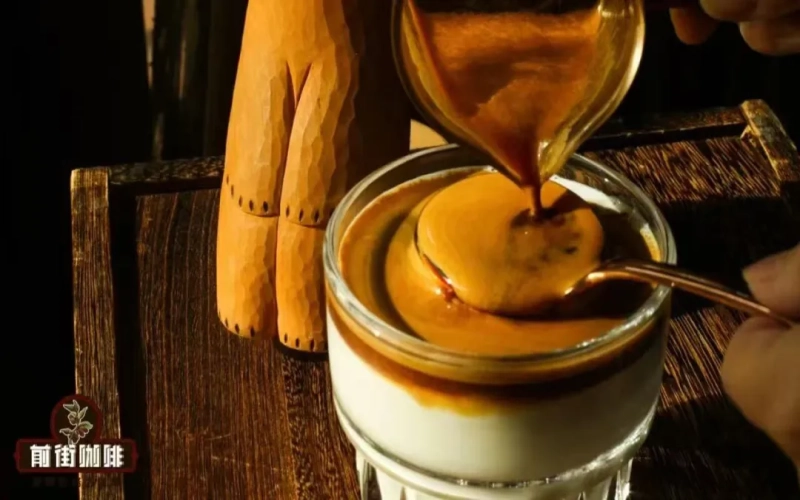
Why Has Dirty Coffee Become Such a Popular Choice? A Comprehensive Analysis from Layering Principles to Brewing Techniques
In recent years, Dirty coffee has been appearing frequently in specialty coffee shops, and has even been adopted by many establishments as a signature product. It is neither an extension of traditional espresso nor a simple version of an iced latte with the ice removed; rather, it has won the favor of a large number of coffee enthusiasts through its unique layered structure, sharply contrasting mouthfeel, and extremely high compatibility with ingredients. This article will begin with the background of Dirty's rise in popularity, sort out how it differs from the early "dirty coffee," and explain in detail how to select coffee beans, choose milk, and make a cup of Dirty with distinct layers and an outstanding taste. At the same time, the article will combine multiple products from Front Street Coffee to offer specific bean selection suggestions and pairing ideas. [more…]
Why Dirty Coffee Doesn't Layer: Master Three Key Details to Make a Perfectly Layered Dirty Coffee
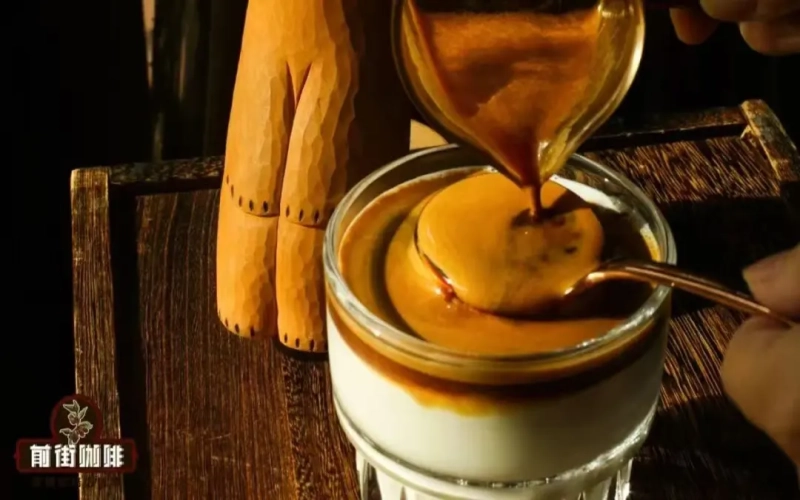
Dirty coffee may seem to require only two ingredients—milk and espresso—but the actual preparation hides a fair amount of know-how. Many people who try it at home often run into problems like no layering or overly blended flavors, and the result falls far short of what a coffee shop produces. In fact, as long as you avoid three common pitfalls—ignoring the layering, choosing the wrong cup, and adding ice blindly—you can easily make a Dirty with distinct layers and a strong contrast between hot and cold. Front Street Coffee will combine real brewing experience with a classic blend bean to break down the principles behind every detail and the correct methods, helping you make a dirty coffee even better than a café's. [more…]
The Correct Way to Drink a Dirty Coffee | How Do You Make a Dirty with Distinct Layers? Does the Shape of the Cup Affect the Taste and Mouthfeel of a Dirty Coffee?
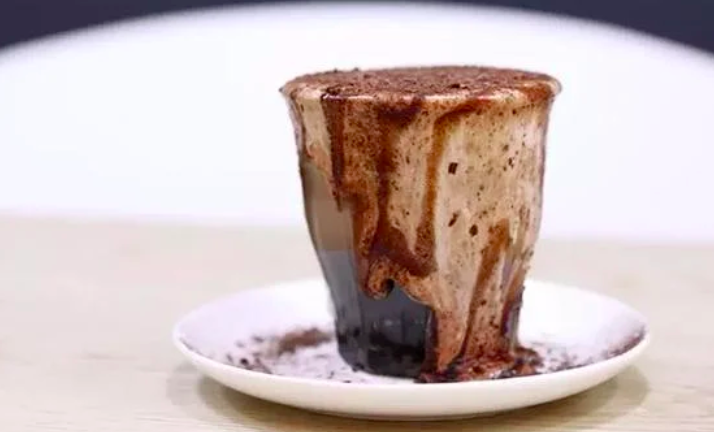
In recent years, a type of iced milk coffee called Dirty has become increasingly popular. The warm, rich espresso on top blends with the sweet, delicious cold milk, creating a unique mouthfeel of alternating hot and cold. Its photogenic good looks are an added bonus, and many cafés have added it to their regular menus. What is Dirty coffee? [more…]
How big is a Dirty? | What is a dirty coffee? Where does dirty coffee come from? What's the difference between a dirty coffee, a latte, a flat white, and a cappuccino?
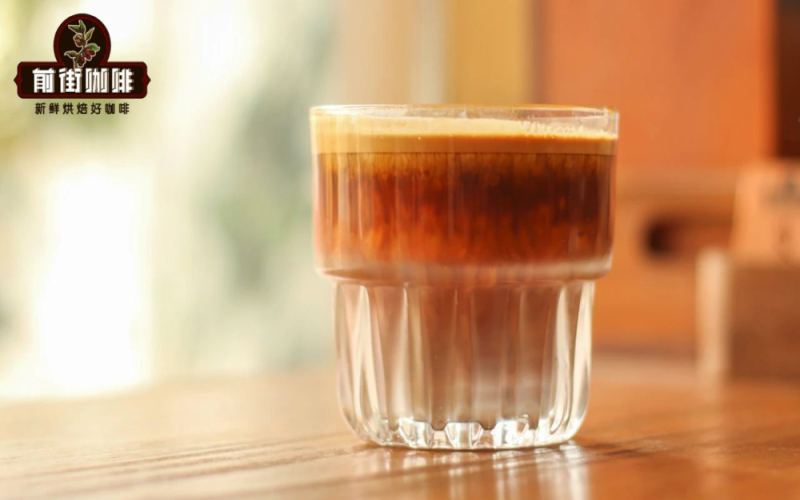
For those who love milk coffee, Dirty is certainly no stranger. Although Front Street Coffee hasn't listed "Dirty" on its menu, many in-the-know friends will actively order this drink after entering the shop. After all, it has long been popular nationwide and has even become a signature item for many coffee shops. Facing the first sip, [more…]